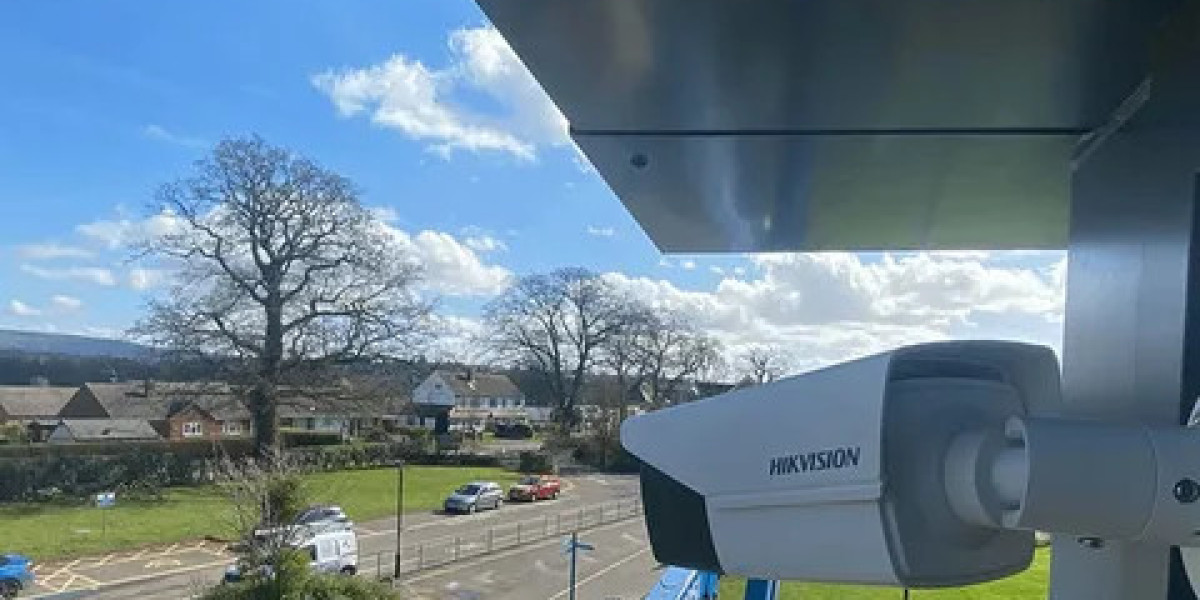

Home security has evolved far beyond traditional door locks and window grills. With increasing concerns about theft, trespassing, and neighborhood safety, residential CCTV installation has become one of the most effective ways to protect homes. Modern surveillance systems not only deter crime but also provide homeowners with visibility, control, and peace of mind that basic locks alone cannot offer.
Residential CCTV installation is no longer a luxury—it is a practical, proactive approach to safeguarding families, property, and daily life.
Why Basic Locks Are No Longer Enough
Locks remain an essential part of home security, but they are limited in what they can prevent or detect.
Limitations of Traditional Home Security Measures
Basic locks and physical barriers:
Do not record evidence during incidents
Cannot alert homeowners in real time
Offer no visibility when residents are away
Are ineffective against forced entry or insider threats
Criminals often bypass locks within minutes, especially in areas with limited monitoring.
The Rise of Smart Home Security Needs
Modern homes require layered security solutions that include surveillance, motion detection, and remote monitoring. Residential CCTV installation adds a visual and technological layer that complements physical security measures.
What Is Residential CCTV Installation?
Residential CCTV installation involves setting up video surveillance systems specifically designed for homes and private properties.
Key Components of a Home CCTV System
A typical residential CCTV system includes:
Indoor and outdoor cameras
Digital or network video recorders (DVR/NVR)
Storage solutions (local or cloud-based)
Monitoring software or mobile apps
These components work together to monitor activity and record footage continuously or based on motion.
Indoor vs Outdoor CCTV Cameras
Indoor cameras focus on entry points, hallways, or common areas, while outdoor cameras monitor driveways, gates, gardens, and perimeter walls. Proper placement ensures full coverage without invading privacy.
How Residential CCTV Enhances Home Security
Residential CCTV installation provides multiple layers of protection that go beyond basic locks.
Crime Deterrence Through Visibility
Visible CCTV cameras act as a strong deterrent. Potential intruders are far less likely to target homes where they know their actions will be recorded.
Real-Time Monitoring and Alerts
Modern systems allow homeowners to:
View live footage remotely
Receive instant alerts for motion detection
Monitor activity while traveling or at work
This real-time awareness significantly reduces response time during suspicious activity.
Protecting Family Members and Daily Life
Home security is not just about protecting property—it’s about protecting people.
Monitoring Children, Elderly, and Pets
Residential CCTV installation helps homeowners:
Keep an eye on children playing indoors or outdoors
Monitor elderly family members for safety
Check on pets when away from home
This adds an extra layer of care and reassurance for families.
Preventing Unauthorized Access
CCTV systems help identify:
Unknown visitors
Service personnel movements
Suspicious activity near entry points
This visibility helps homeowners take timely action when needed.
Evidence Collection and Legal Protection
One of the biggest advantages of CCTV systems is their ability to provide reliable evidence.
Recording Incidents and Suspicious Activity
CCTV footage can be critical in cases of:
Theft or burglary
Property damage
Trespassing or harassment
Recorded evidence supports police investigations and insurance claims.
Resolving Disputes and False Claims
Footage can also protect homeowners from false accusations or disputes with neighbors, service providers, or visitors by providing factual, time-stamped proof.
Privacy Considerations in Residential CCTV Installation
While security is important, privacy must also be respected.
Ethical Camera Placement
Homeowners should avoid placing cameras in:
Bathrooms or bedrooms
Areas that capture neighboring properties
Private spaces where guests expect privacy
Responsible placement ensures security without intrusion.
Informing Visitors and Residents
Visitors, domestic staff, and residents should be aware that CCTV monitoring is in place. Transparency builds trust and reduces potential conflicts.
Smart Features That Go Beyond Traditional Locks
Modern residential CCTV systems come equipped with advanced features.
Motion Detection and Night Vision
Cameras with motion sensors and infrared night vision can:
Detect activity in low-light conditions
Reduce unnecessary recordings
Capture clear footage around the clock
These features ensure consistent security coverage.
Integration with Smart Home Systems
Many CCTV systems integrate with:
Smart doorbells
Alarm systems
Mobile applications
This creates a unified home security ecosystem controlled from a single device.
Professional vs DIY Residential CCTV Installation
Homeowners often choose between professional installation and DIY setups.
Benefits of Professional Installation
Professional installers ensure:
Proper camera placement and coverage
Secure wiring and system configuration
Compliance with privacy and safety standards
This reduces blind spots and technical issues.
When DIY Installation May Be Suitable
DIY systems can work for small homes or apartments but often lack advanced customization and long-term reliability. Improper setup can compromise effectiveness.
Long-Term Value of Residential CCTV Systems
Residential CCTV installation is an investment that delivers ongoing value.
Increased Property Value and Appeal
Homes with installed security systems are often more attractive to buyers and renters. CCTV adds perceived value and enhances marketability.
Peace of Mind and Lifestyle Benefits
Knowing that your home is monitored 24/7 provides confidence and peace of mind—whether you are asleep, at work, or traveling.
Best Practices for Residential CCTV Installation
To maximize effectiveness, homeowners should follow key best practices.
Planning Coverage Areas in Advance
Identify:
Entry and exit points
Blind spots around the property
High-risk areas such as backyards or garages
Strategic planning ensures complete protection.
Regular Maintenance and System Updates
CCTV systems should be checked periodically to:
Ensure cameras are functioning
Update software or firmware
Adjust angles if surroundings change
Regular maintenance keeps systems reliable.
Conclusion: Securing Homes Beyond Locks
Residential CCTV installation goes far beyond what basic locks can offer. By providing real-time monitoring, crime deterrence, evidence collection, and family safety, CCTV systems create a comprehensive home security solution.
In today’s world, protecting a home means combining physical barriers with smart surveillance. When installed responsibly and used correctly, residential CCTV systems offer homeowners not just security—but confidence, control, and peace of mind.