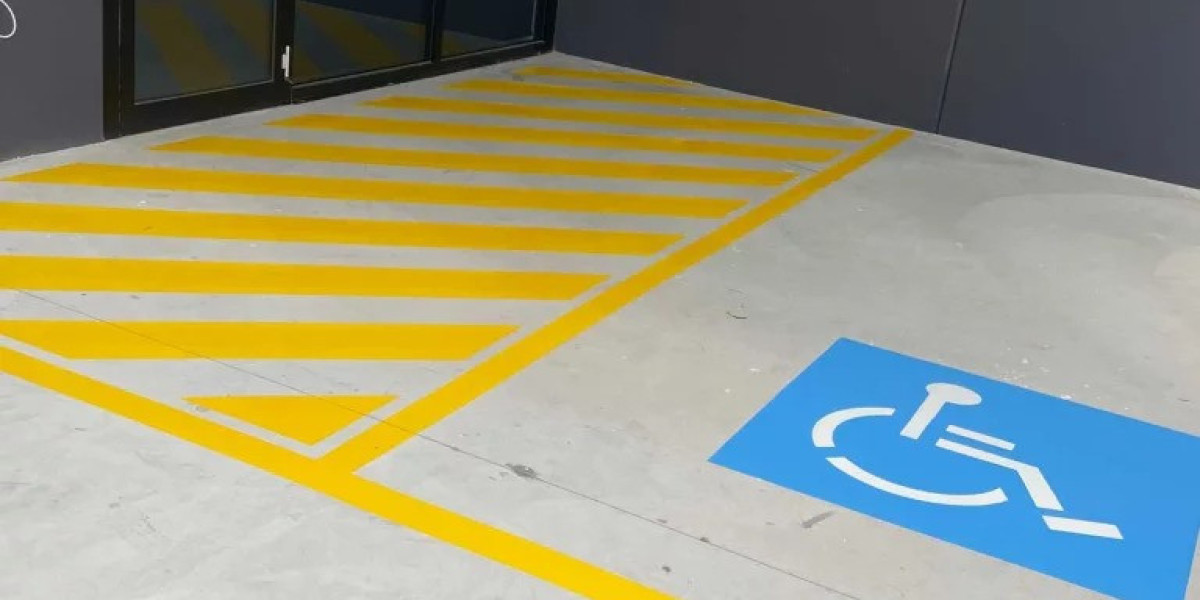

Modern warehouses are no longer static storage spaces. They are high-activity environments where speed, accuracy, and safety must align perfectly. With forklifts moving constantly, staff navigating narrow aisles, and goods being loaded and unloaded all day, even minor layout confusion can disrupt operations. This is where professional line marking becomes a vital operational tool rather than a simple visual feature.
When warehouse layouts are clearly marked, movement becomes instinctive. Workers know where to walk, vehicles know where to drive, and hazards are clearly identified. This clarity not only reduces risk but also improves efficiency across every stage of the workflow.
Why Warehouses Depend on Visual Structure
Warehouses rely heavily on visual instruction. Unlike office environments, verbal communication or signage isn’t always effective due to noise, distance, or pace of work. Floor-based guidance offers instant clarity without slowing operations.
High-quality Floor markings in warehouse environments help reinforce rules consistently throughout the workday. Walkways, exclusion zones, loading bays, storage areas, and emergency routes become unmistakably clear, even to new or temporary staff. This creates a safer workspace with fewer interruptions and less confusion.
Reducing Workplace Incidents Through Clear Separation
One of the leading causes of warehouse injuries is poor traffic separation. When pedestrian and vehicle paths overlap without clear definition, near misses and accidents become inevitable. Strategic line marking establishes physical boundaries that guide behaviour naturally.
Clearly defined forklift lanes, pedestrian crossings, and buffer zones give everyone a shared understanding of how space should be used. This separation allows machinery operators to focus on their tasks while pedestrians move confidently without constant vigilance or hesitation.
Efficiency Gains Beyond Safety
While safety is the most obvious benefit, efficient line marking also improves productivity. Well-marked warehouses reduce unnecessary movement, eliminate bottlenecks, and speed up order fulfilment. Workers can locate staging zones, pick-up points, and equipment parking areas immediately.
Over time, these small efficiencies accumulate. Reduced downtime, fewer handling errors, and smoother workflow transitions lead to measurable operational gains. For growing businesses, this structure also makes scaling easier, as processes can expand without chaos.
Why Professional Planning Is Essential
Line marking may seem straightforward, but effective layouts require careful planning. Factors such as traffic frequency, turning radii, emergency access requirements, and future growth all influence where markings should be placed.
Hiring an experienced Line Marking Contractor ensures that markings are not only compliant but also practical. Professionals assess how your warehouse actually operates—not just how it appears on paper—and tailor solutions that support real-world usage.
They also use commercial-grade materials designed for heavy-duty environments. This ensures markings remain visible under constant wear from machinery, pallet movement, and cleaning processes.
Addressing Industrial-Specific Challenges
Warehouses located in industrial precincts face unique challenges. External loading zones, shared access points, and mixed-use spaces require thoughtful solutions that balance safety and accessibility.
Businesses operating around Line Marking Brooklyn benefit from local expertise that understands these challenges. Contractors familiar with the area can anticipate traffic flow patterns and environmental factors, delivering markings that perform reliably in demanding conditions.
Local knowledge also helps ensure compliance with regional safety expectations and operational norms, reducing the need for rework or adjustments after installation.
The Importance of Ongoing Maintenance
Even the best line marking systems will fade over time. Constant vehicle movement, friction, chemical exposure, and environmental factors gradually wear down paint and coatings. Without maintenance, once-clear markings lose their effectiveness.
Regular assessments and timely re-marking help maintain visibility and safety standards. Scheduled maintenance also allows layouts to evolve as operations change, ensuring markings always reflect current workflow needs.
Proactive upkeep prevents small issues from becoming safety risks and extends the lifespan of the original installation.
The Long-Term Cost of Neglect
Poorly marked warehouses often experience avoidable inefficiencies. Confusion over storage zones, unsafe shortcuts taken by staff, damaged inventory, and increased incident rates all impact profitability. These problems may not appear overnight, but they compound steadily.
Investing in professional line marking creates a foundation for disciplined operations. Employees move with confidence, processes remain consistent, and accountability is easier to maintain. The result is a more organised, safer, and productive warehouse environment.
Choosing a Partner That Understands Warehouses
Effective warehouse line marking requires an understanding of logistics, safety compliance, and operational flow—not just paint application. The right provider will collaborate with your team, identify risk areas, and design markings that enhance both safety and performance.
In conclusion, clear warehouse line marking is a strategic investment that supports long-term efficiency, compliance, and employee wellbeing. Businesses that prioritise professional solutions create safer workplaces and smoother workflows from the ground up. For organisations seeking dependable expertise and long-lasting results, Western Suburbs Line Marking offers tailored solutions designed specifically for demanding warehouse and industrial environments.