
In today’s fast-moving retail and hospitality landscape, a Point of Sale (POS) system is no longer just a cash register replacement—it is the digital backbone of daily operations. From tracking sales and managing inventory to handling customer loyalty programs and analytics, the right POS software system can dramatically improve efficiency, profitability, and customer satisfaction.
In markets across the Middle East, for أفضل نظام برمجيات نقاط البيع to gain a competitive edge. Whether you run a restaurant, supermarket, pharmacy, fashion boutique, or multi-branch retail chain, selecting the right POS platform in 2026 is one of the most strategic technology decisions you can make.
What Is a POS Software System?
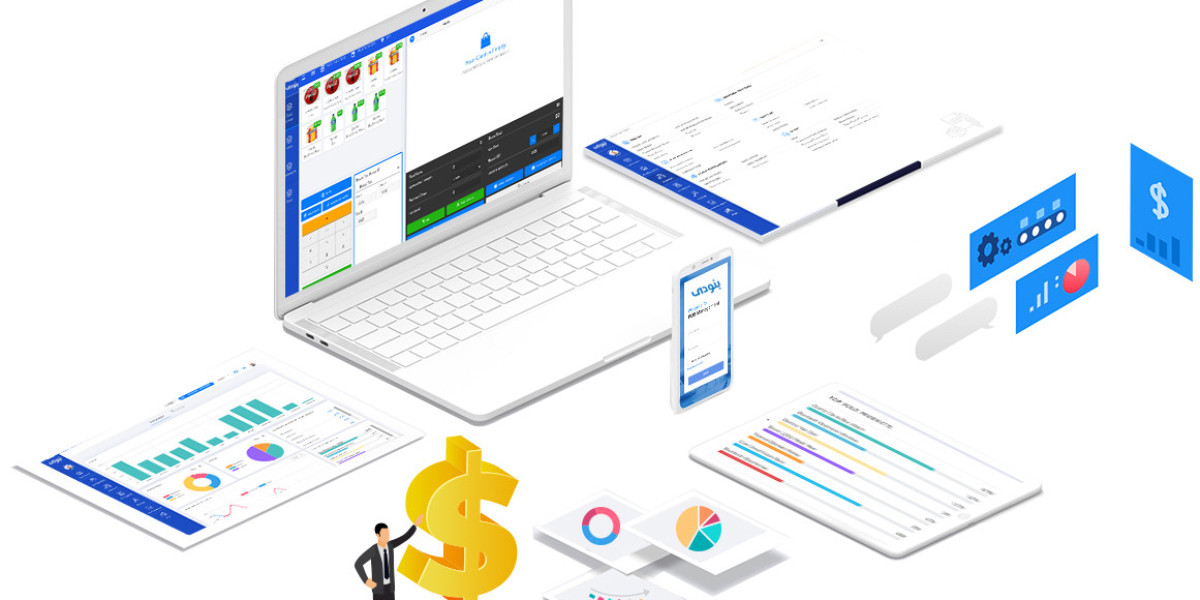
A POS software system is a combination of applications that allow businesses to process transactions, manage products, record customer data, and generate financial reports. Unlike older, hardware-only cash registers, modern POS solutions are cloud-based, scalable, and integrated with accounting, HR, CRM, and e-commerce platforms.
Typical POS systems include:
Sales processing tools for cash, cards, mobile wallets, and online payments
Inventory management with stock alerts and supplier tracking
Customer relationship features such as loyalty points and purchase history
Reporting dashboards showing real-time revenue and trends
Employee management with shift scheduling and performance metrics
Why POS Software Matters More Than Ever in 2026
The business environment in 2026 is defined by digital payments, omnichannel shopping, and data-driven decisions. Customers expect fast checkout experiences, accurate receipts, and personalized offers. Meanwhile, owners need instant access to performance metrics across branches and locations.
Here’s why modern POS systems are essential:
Speed and Accuracy
Automated billing and barcode scanning reduce human error and long queues, improving the customer experience.
Real-Time Inventory Control
Cloud-based POS platforms update stock instantly, helping you avoid over-ordering or running out of popular items.
Business Intelligence
Advanced analytics reveal best-selling products, peak hours, seasonal trends, and profit margins.
Multi-Branch Management
Central dashboards allow franchise owners and retail chains to monitor performance across all outlets.
Compliance and Security
Modern systems support tax rules, VAT calculations, and secure payment encryption—critical for regulatory compliance.
Key Features to Look for in the Best POS Software System
When evaluating different POS platforms, focus on features that align with your business type and growth plans.
Cloud-Based Access
A cloud POS lets you manage your business from anywhere—office, home, or even while traveling.
Multi-Payment Support
Ensure it accepts credit cards, debit cards, QR payments, digital wallets, and online orders.
Inventory & Supplier Management
Automatic stock deductions, reorder alerts, and supplier databases save hours of manual work.
Customer Loyalty Tools
Reward points, promotions, and targeted discounts encourage repeat business.
Accounting Integration
Direct syncing with accounting software simplifies bookkeeping and tax reporting.
Scalability
Choose a system that can grow with you—adding new branches, terminals, or users without disruption.
Industry-Specific POS Solutions
Different industries require specialized POS capabilities.
Restaurants & Cafés
Table management
Kitchen display systems
Split bills and tips
Delivery and takeaway integration
Retail Stores
Barcode scanning
Product variants (size, color)
Returns and exchanges
Seasonal pricing
Supermarkets & Hypermarkets
Fast checkout lanes
Bulk inventory control
Supplier purchase orders
Pharmacies
Expiry date tracking
Batch numbers
Prescription records
Salons & Spas
Appointment scheduling
Staff commissions
Membership packages
Cloud POS vs. Traditional POS: Which Is Better?
Traditional POS
Installed on-site servers
Limited remote access
Higher maintenance costs
Less flexible upgrades
Cloud POS
Accessible from anywhere
Automatic updates
Lower upfront hardware investment
Easy scalability
In 2026, most growing businesses prefer cloud-based systems due to their flexibility and lower total cost of ownership.
How to Choose the Right POS for Your Business
Before purchasing any system, answer these questions:
What type of business do I run? Retail, restaurant, or service-based?
How many locations do I have—or plan to open?
Do I need Arabic language support and local tax compliance?
Will I integrate online sales channels?
What is my budget for setup and monthly subscriptions?
Request demos, test trial versions, and involve staff in the evaluation process to ensure usability at the counter.
Benefits of Implementing the Best POS Software
A high-quality POS solution delivers both short-term and long-term advantages:
Reduced operational costs
Faster checkout times
Improved stock accuracy
Better customer retention
Data-driven decision making
Simplified tax and financial reporting
Over time, these benefits translate into higher profits and smoother daily operations.
Future Trends in POS Technology
POS systems are evolving rapidly. In 2026 and beyond, expect to see:
AI-powered sales forecasting
Facial recognition loyalty programs (where legally allowed)
Voice-enabled ordering systems
Deeper e-commerce integrations
Advanced cybersecurity tools
Mobile-first POS terminals
Businesses that adopt these innovations early will gain a clear advantage over slower competitors.
Frequently Asked Questions (FAQs)
Q1: What is the best POS software system for small businesses?
The best system depends on your industry, budget, and growth plans. Look for cloud-based platforms with inventory control, reporting, and accounting integration.
Q2: Is cloud POS safe for handling payments?
Yes. Reputable cloud POS providers use encryption, secure servers, and compliance standards to protect transaction data.
Q3: Can a POS system support multiple branches?
Absolutely. Many modern systems include centralized dashboards for managing sales, staff, and inventory across locations.
Q4: Do POS systems work offline?
Most cloud POS platforms offer offline modes that temporarily store transactions and sync once the internet is restored.
Q5: How long does it take to implement a POS system?
Implementation can take anywhere from a few days to several weeks, depending on business size, data migration, and staff training.
Q6: Can POS software integrate with accounting tools?
Yes. Integration with accounting platforms is one of the most valuable features, reducing manual data entry and errors.
Q7: Is Arabic language support important?
For businesses in Arabic-speaking regions, bilingual interfaces and localized tax features greatly improve usability and compliance.